

GALERA · Places to visit
Tomb 50
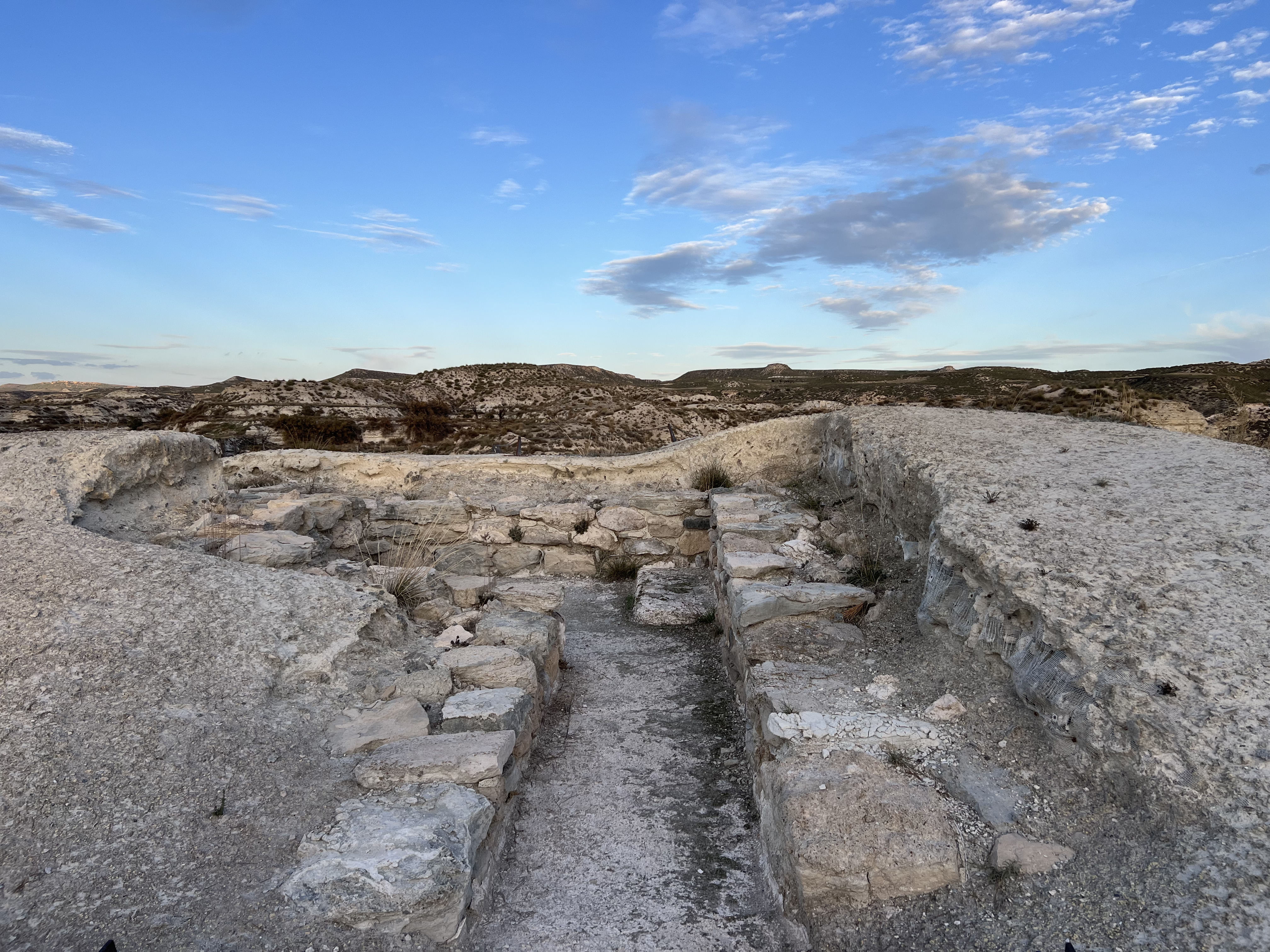
To build it, the natural terrain was cut back to create a distinct mound about ten metres in diameter. Inside, an approximately square chamber was excavated, lined with stone walls and connected to the outside by a corridor. Traces of plaster and red paint have been preserved: originally, it was more colourful than we can appreciate today. One of the most intriguing discoveries was made during the excavation: eight fragments of Iberian sculpture.
Three fit together to form a right hand, with a clenched fist and an extended thumb, which still retains reddish paint. The stone used came from the surrounding area. Researchers propose dating this tomb to the third century BC. Looting makes it impossible to reconstruct it in full, but its location and the sculptural remains offer clues to its importance.
Before continuing, take a moment to observe and photograph the relationship between the mound and the valley.
Useful information
- Theme
- Archaeology
Keep exploring Galera
All themes →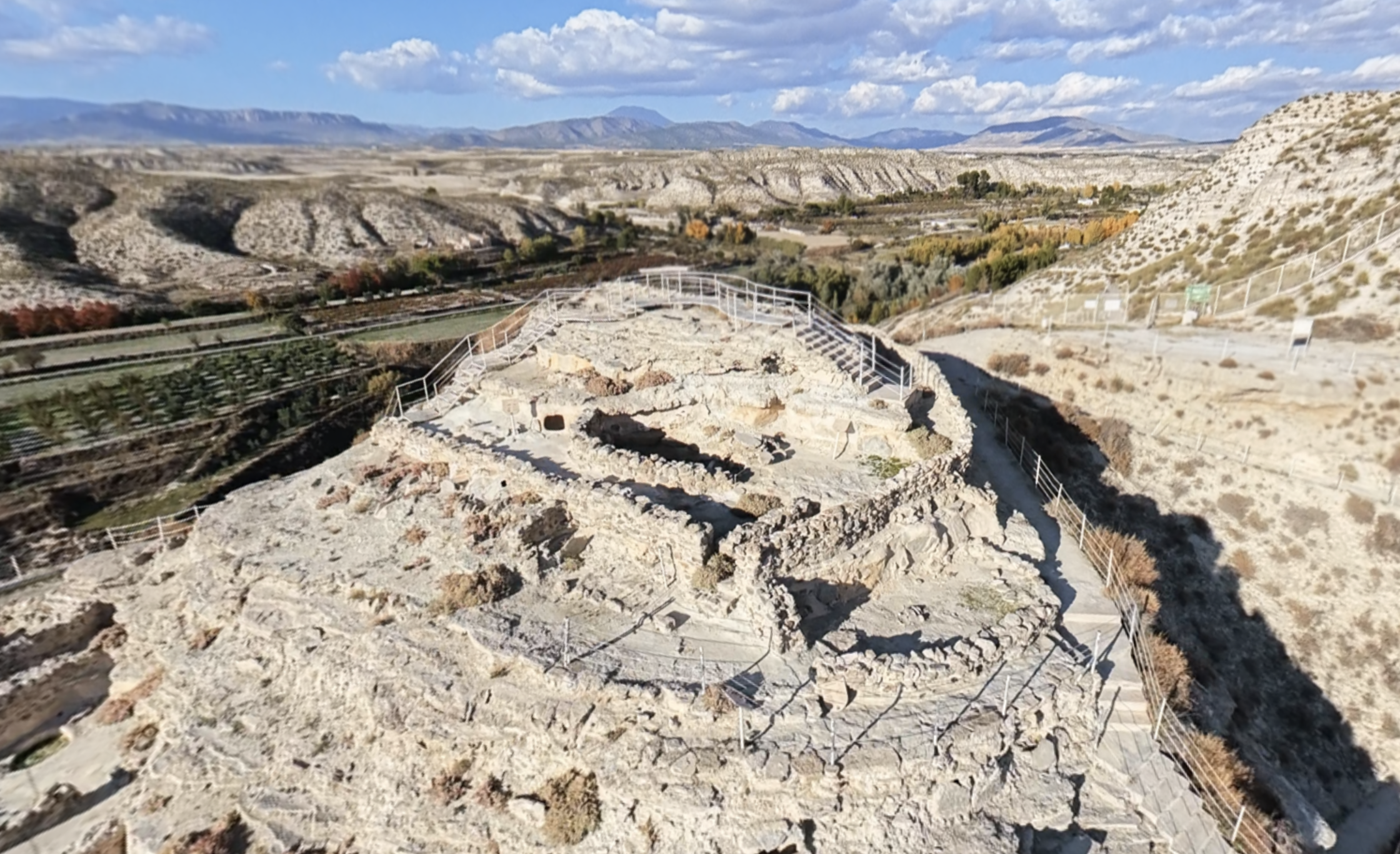
Acropolis
From the highest part of Castellón Alto, you can look out over the valley and its cultivated land.
Discover this place →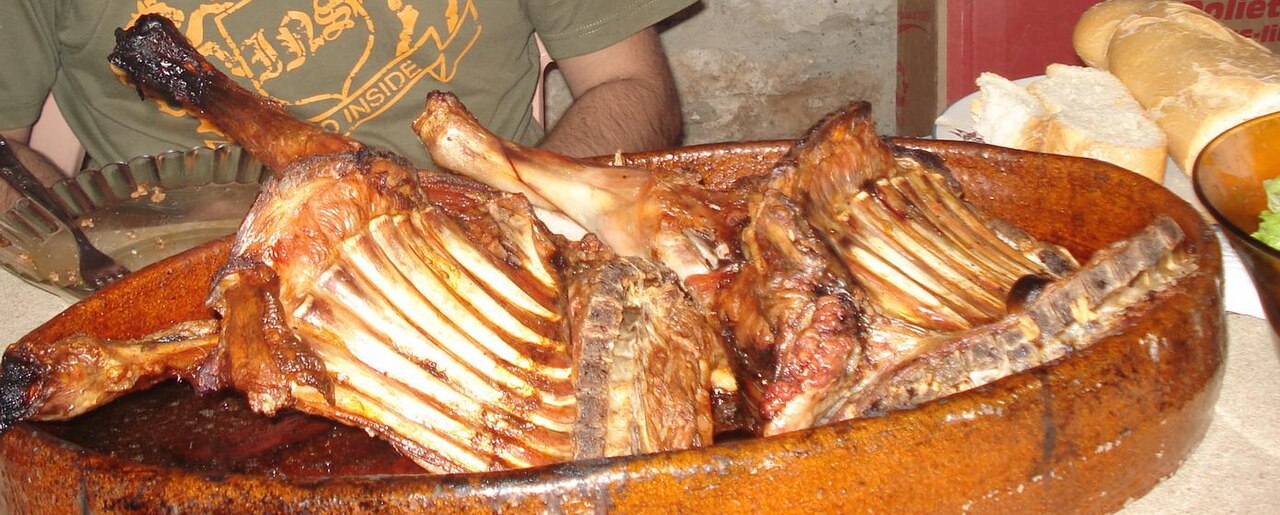
Segureño lamb and other traditional dishes
Winter cuisine brings together foods and work associated with preserving provisions.
Discover this place →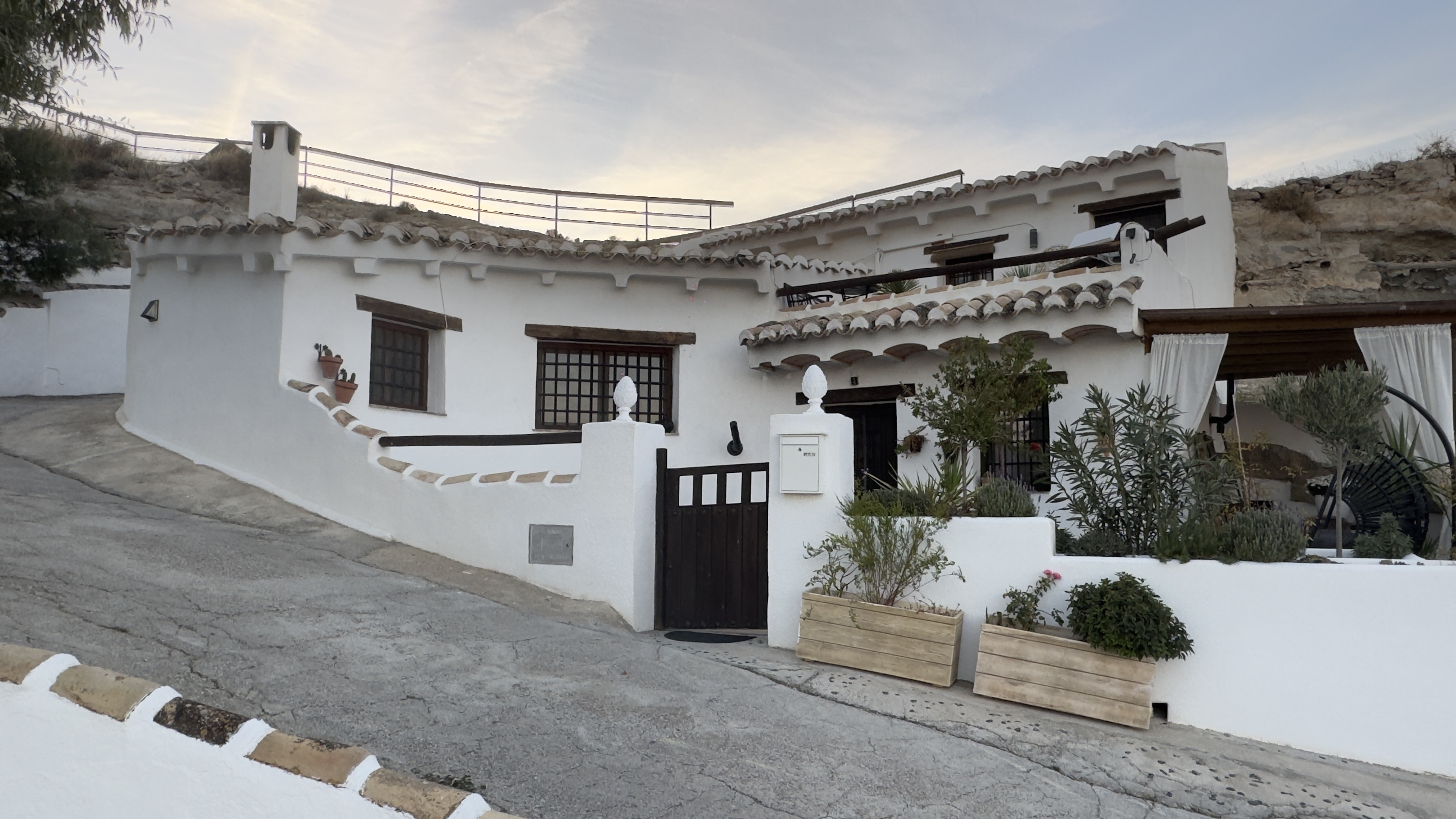
Panoramic Viewpoint and Cave Houses
From this viewpoint, look for the façades and chimneys on the slopes: they reveal homes whose living spaces extend into the ground.
Discover this place →Domingo y Quiles Winery
Domingo y Quiles Winery is part of a family story that began in Galera in the early 20th century.
Discover this place →Jaraíz Winery
The name Jaraíz connects this winery with a word from traditional winemaking.
Discover this place →Bodegas Carayol y Castellar
Bodegas Carayol y Castellar is part of the route devoted to Galera’s wine culture.
Discover this place →